

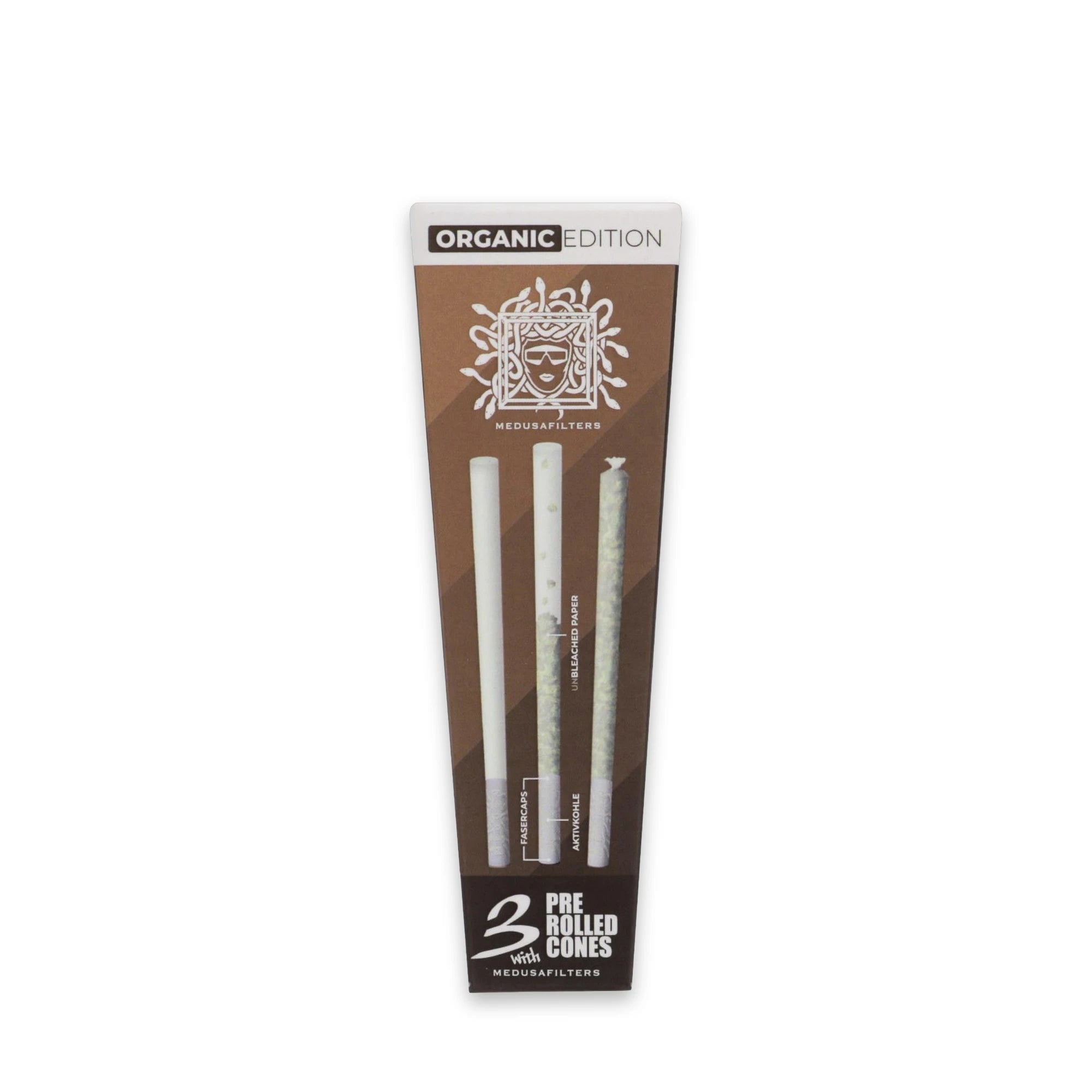
Cannabis flowers at a glance

Key points at a glance
What are cannabis flowers?
Learn more about the origin of cannabis flowers and their bioactive compounds.
Read more
Different types of cannabis flowers
Discover which types of cannabis flowers exist and what makes each of them distinctive.
Read more
How can cannabis flowers be consumed?
Cannabis flowers can be consumed in various ways. In this section we explain just how wide the range of options is.
Read more
Effects of cannabis flowers
Cannabis flowers have a complex composition. Learn more about how they work, depending on the make-up of the flowers.
Read more
What are cannabis flowers?
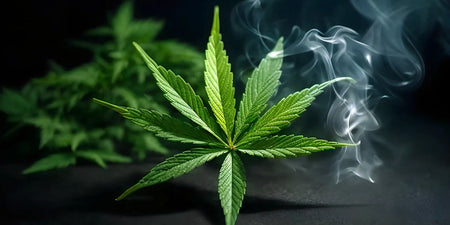
Cannabis flowers are the dried female inflorescences of the hemp plant. They consist of dense, resinous buds covered with tiny trichomes and threaded with orange to red-brown flower hairs. In colour they range from light green to dark violet. The trichomes hold the cannabinoids and terpenes that give the flower its aroma, appearance and effect.
What are cannabis flowers?
Cannabis flowers are the dried, flowering parts of the Cannabis sativa plant. This plant has been used for both medicinal and ritual purposes for thousands of years and produces complex compounds known as cannabinoids. The flowers contain the highest concentration of these cannabinoids, in particular tetrahydrocannabinol (THC) and cannabidiol (CBD), which are responsible for most of the plant's pharmacological properties.
Cannabis flowers differ in composition, shape and colour depending on the plant strain. These strains are often divided into two main categories: Cannabis sativa and Cannabis indica. Each of them has its own characteristic features and effect profiles.
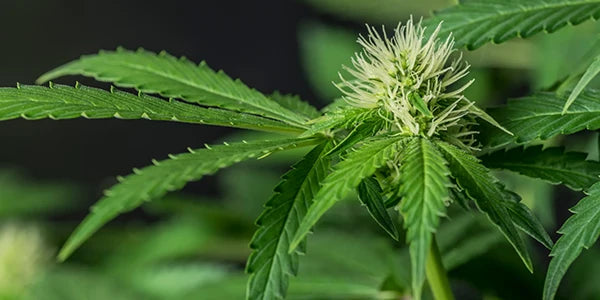
The flowers themselves are usually dense and sticky. They can also display a wide range of colours such as green, purple or black. The sticky texture comes from the trichomes - microscopically small, hair-like structures that contain a large amount of cannabinoids and terpenes, the chemical compounds responsible for the plant's aroma and effect.
Cannabis flowers can produce different cannabinoids. In plant biology, the flowers play a central role in the reproduction of the cannabis plant. Female plants produce the flowers that are commonly used. Male plants, by contrast, release pollen to pollinate the female plants. For cultivation aimed at obtaining cannabinoids, however, mainly female plants are used, as they have a higher concentration of active compounds.
In addition, cannabis flowers also contain other important bioactive compounds such as flavonoids and terpenes. Terpenes are responsible for the unique aroma of cannabis flowers and may contribute to the overall effect of the cannabinoids. This phenomenon is often referred to as the "entourage effect". In summary, cannabis flowers are a central component of the Cannabis sativa plant and rich in a wide variety of chemical compounds, whose potential and effects remain the subject of intensive research. It is important to emphasise that the consumption of cannabis flowers and its effects can vary from person to person, and that the legal situation regarding cannabis differs greatly around the world.
The right accessories from Medusafilters


Different types of cannabis flowers
Cannabis, a plant genus in the Cannabaceae family, comprises various species, each of which has its own characteristic properties. The best known are Cannabis sativa, Cannabis indica and hybrid strains.
Sativa plants
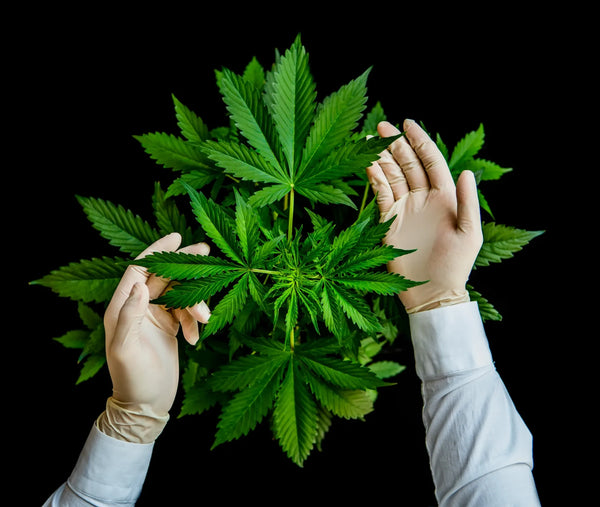
Cannabis sativa plants are known for their long, slender leaves and their relatively tall height. They prefer to grow in warm climates and have a longer flowering period than indica plants.
Indica plants
In contrast to sativa plants, cannabis indica plants are usually shorter, bushier and have broader leaves. They are known for their shorter growth and flowering period and thrive well in cooler climates.
Hybrid plant strains
Hybrids are crosses between sativa and indica strains. Breeders develop these hybrids to optimise certain characteristics such as growth patterns, potency and the ratio of cannabinoids. Hybrids can display a mix of the characteristics of both parent plants and offer a wide range of effects and cultivation advantages. Some hybrids are sativa-dominant, others indica-dominant, and still others offer a balanced ratio of the two.
Overview of the most important cannabinoids
Cannabinoids are the chemical compounds found in cannabis flowers that are responsible for a wide range of their effects. More than 100 different cannabinoids have been identified, although the most thoroughly researched and best known are tetrahydrocannabinol (THC) and cannabidiol (CBD).
THC (tetrahydrocannabinol): THC is said to be the best-known cannabinoid and to contribute to the psychoactive effect of cannabis.
CBD (cannabidiol): CBD is another prominent cannabinoid, known for its non-psychoactive properties.
Besides THC and CBD, there are other cannabinoids such as cannabinol (CBN), cannabigerol (CBG) and tetrahydrocannabivarin (THCV), which occur in smaller amounts in cannabis flowers. Each of these cannabinoids has unique properties and potential effects that are currently the subject of intensive research.
It is also important to note that cannabinoids exist in the plant in the form of acidic precursors (such as THCA and CBDA) and are only converted into their active form (THC and CBD) through heating.
How can cannabis flowers be consumed?
Cannabis flowers can be consumed in various ways, with each method having its own particularities and effects. It is important to note that the consumption of cannabis is regulated in many countries and is not legal everywhere.
Smoking
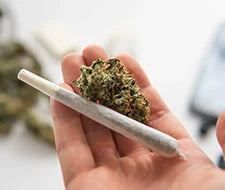
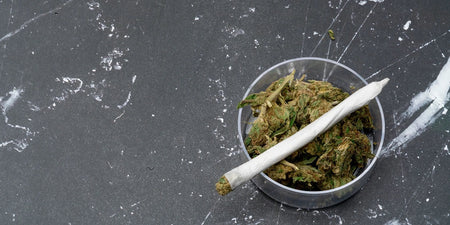
The most widespread method of consumption is smoking the flowers. This can be done by rolling joints, filling pipes or using bongs. When smoking, the cannabinoids pass directly into the blood via the lungs and take effect almost immediately.
Vaporising (vaping)
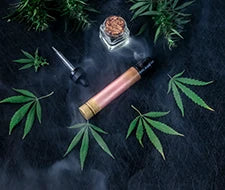
An increasingly popular method is vaporising the flowers in a vaporiser. With this method, the flowers are heated but not burned. The active compounds are inhaled in the form of vapour.
Edibles
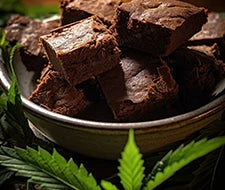
Cannabis can also be processed into foods, such as brownies or gummy bears. With this method, the cannabinoids enter the body via the digestive tract, which leads to a delayed but often more intense effect.
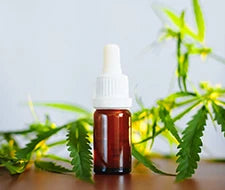
Tinctures
Tinctures are liquid cannabis extracts that are dropped sublingually (under the tongue). This method allows for a rapid uptake of the cannabinoids through the oral mucosa.
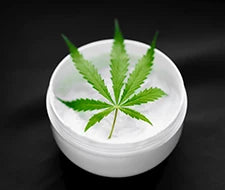
Topical applications
Cannabis can also be used in the form of creams or ointments that are applied to the skin.
Each of these consumption methods has its own advantages and disadvantages in terms of the speed of onset, the duration of the effect and the intensity of the effects. It is important to inform yourself about the different methods and their potential impact in order to make an informed decision about consuming cannabis flowers.
You can also use our products for CBD joints and CBD cigarettes
Effects of cannabis flowers
The effects of cannabis flowers vary due to their complex composition and individual factors. The main components, THC and CBD, interact with the human body's endocannabinoid system, which influences various physiological processes. The effects of cannabis flowers depend heavily on the form of consumption - whether by smoking, vaporising or as edibles. Personal experiences can vary greatly and are influenced by dosage, tolerance and individual biochemistry.
Dosage of cannabis flowers
The appropriate dosage of cannabis flowers can vary and depends on various factors, including individual tolerance, consumption history and the specific cannabinoid concentration of the strain used. It is important to comply with legal regulations and recommendations, as the uncontrolled consumption of cannabis flowers can lead to undesirable side effects.
Which doctor prescribes cannabis flowers?
The prescription of medicinal cannabis flowers is possible in countries where medicinal cannabis is legalised. Qualified doctors, who have often completed additional training or certification in cannabis medicine, can issue a prescription for cannabis flowers. These doctors include general practitioners, pain specialists and neurologists, depending on the specific health complaints for which cannabis is being considered as a treatment.
Patients interested in treatment with medicinal cannabis should seek a consultation with a licensed doctor. This step is crucial in order to discuss individual treatment plans, dosages and possible risks, especially in view of the THC content and other ingredients in the cannabis flowers. A prescription for medicinal cannabis can then be filled at a pharmacy.
For reimbursement of medicinal cannabis, patients should find out in advance about the specific conditions for reimbursement from their health insurance provider. It is important that both patients and doctors are thoroughly familiar with the legal framework and regulations relating to the medicinal use of cannabis.
What do cannabis flowers look like?
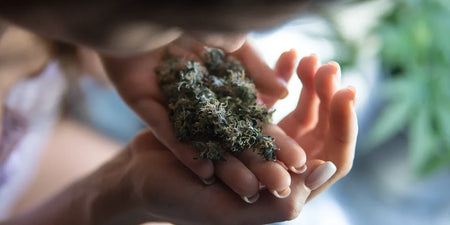
Cannabis flowers are compact, densely grown buds in various shades of green, covered with orange to red-brown flower hairs and a whitish shimmering film of resin from the trichomes.
A ripe cannabis flower - often simply called a bud - looks firm and densely packed, almost like a small, elongated fir tree. The base colour ranges from light green through rich forest green to violet or purple tones when the strain forms the corresponding pigments. Fine hairs (the so-called pistils) run between the small leaves, ranging from light orange to red-brown. If you hold a flower up to the light, you notice a crystalline sheen reminiscent of hoarfrost: these are the trichomes, tiny resin-filled glands. Hemp flowers from industrial hemp look similar but usually grow looser and lighter. Dried flowers feel slightly sticky on the outside and can be compressed a little when crumbled without completely falling apart into dust - a sign of balanced residual moisture.
How is a cannabis flower structured?
A cannabis flower consists of calyxes that grow together into dense buds, the orange-brown flower hairs (pistils) and the resinous trichomes on the surface.
The basic building block of every flower is the calyx, a small teardrop-shaped structure from which the fine hairs grow. Many such calyxes together form a compact bud. Trichomes are distributed across the entire surface - microscopically small, mushroom-shaped glands with a clear to milky-amber head. These trichomes produce the cannabinoids such as THC and CBD as well as the aroma-giving terpenes that give each strain its own smell, from fruity to earthy to spicy. The orange to red-brown pistils are part of the female flower and serve pollination. The further the flower ripens, the more the trichomes turn cloudy - growers use this colour as a visual indication of the degree of ripeness. Leaves heavily coated with resin (sugar leaves) are also part of the flower but are usually removed during trimming.
How do you consume cannabis flowers?
Cannabis flowers are most often broken up and smoked or vaporised in a vaporiser; less often they are further processed into tea or baked goods.
Consumption is reserved exclusively for adults within the legally permitted framework. An overview of the most common ways:
- Vaporising (vaporiser): The flowers are heated without burning - considered a comparatively gentle method because no smoke is produced.
- Smoking: Finely ground flowers are rolled in a longpaper or consumed in a pipe. An activated carbon filter makes the draw cooler and milder.
- Tea/infusion: Flowers are boiled with a little fat (e.g. cream), as the active compounds are fat-soluble.
- Edibles: Flowers infused into butter or oil are used for baking - here the effect sets in with a marked delay.
Before each use, the flowers are broken up so that they burn or vaporise evenly. Effect and tolerance vary greatly from person to person - start with a low dose and observe how you react.
How do you recognise good cannabis flowers?
You can recognise good cannabis flowers by their dense structure, visible trichomes, intense aroma and balanced residual moisture - not too dry, not too damp.
A careful look reveals a lot: high-quality flowers are firmly grown, well trimmed and covered with a dense film of trichomes that glistens in the light. The colour should look vibrant - rich green, sometimes with violet or orange accents - and not brownish-pale. The smell is a strong indicator: fresh flowers have a powerful, strain-typical aroma, while a musty or hay-like smell points to improper storage or ageing. When pressed gently, the buds should give way slightly and not fall apart into dust when crumbled; this indicates the right residual moisture. Warning signs are a white, cotton-like coating (mould - hands off), very many seeds or stems, and a chemical off-smell. Those who break up and store the flowers themselves keep the aroma and structure the longest.
Cannabis flowers and the legal situation in Germany
Since the Consumer Cannabis Act (KCanG) of 1 April 2024, the possession of cannabis by adults in Germany has been permitted in defined quantities.
As things currently stand (2026), adults may possess up to 25 grams of dried cannabis flowers when out and about and up to 50 grams at their place of residence; up to three plants for personal cultivation are also permitted. Consumption is restricted in certain places - for example near schools, day-care centres and playgrounds - as well as in pedestrian zones at certain times of day. Passing cannabis on to minors remains prohibited. This information is a general overview and not legal advice - regulations can change and are interpreted differently from region to region. Anyone who wants to be sure should find out about the applicable rules before cultivation, possession or consumption. Medusafilters sells accessories only and no cannabis flowers.
In summary, access to medicinal cannabis flowers, which are available in pharmacies with a prescription, is a regulated process that requires careful medical supervision and guidance. This means that use always takes place under medical supervision, and patients are at the same time well informed about use and dosage.
Find out more about CBD here
Is it legal in Germany? (As of 2026)
In Germany, cannabis has been legal for adults within clear limits since the Consumer Cannabis Act (KCanG) of 1 April 2024 - unchanged as of 2026. The most important key points:
- Possession: up to 25 g when out and about, up to 50 g at your place of residence.
- Personal cultivation: up to 3 plants per adult, protected from access by minors.
- Consumption bans: not within sight of schools, children's and youth facilities, playgrounds and sports grounds.
- Passing on & sale remain prohibited.
This is a general overview and not legal advice. These limits do not apply to accessories such as filters, papers or grinders - smoking accessories are freely available.
Further questions
Both come from the same plant species. "Hemp flower" usually refers to flowers of industrial hemp with a very low THC content, which often grow lighter and looser. "Cannabis flower" is the colloquial term for the resin-rich, THC-containing flowers. Visually they are very similar; the difference lies mainly in the active-compound content and the strain, not in the basic structure of the flower.
Fresh flowers have a strong, strain-typical aroma, look vibrantly green and are covered with visible, glistening trichomes. They feel slightly sticky on the outside, give way minimally when pressed and do not immediately crumble to dust. A musty, hay-like smell, pale colour or white coating, on the other hand, are clear warning signs of ageing or improper storage.
The most even result is achieved with a grinder: the Aluminium Spike Grinder from Medusafilters grinds the buds finely without crushing them, so that trichomes and aroma are preserved. For rolling, Longpapers King Size Slim are ideal, and an activated carbon filter (6 mm) ensures a cooler, filtered draw.
The violet to purple colouring is caused by anthocyanins - natural colour pigments that some strains form genetically. Cooler temperatures in the late flowering phase can intensify the colouring. The colour alone, however, says little about quality or strength; what matters are the trichomes, the aroma and the dense structure of the flower.
Best kept cool, dark and airtight, for example in a well-sealing glass container away from heat and direct light. This preserves trichomes, aroma and structure for the longest time. Storage that is too warm or damp promotes mould, while air that is too dry causes the flowers to crumble and terpenes to evaporate. Keep for adults only and out of the reach of children and pets.
No. The smell is determined by the terpenes, and these vary greatly from strain to strain - from fruity-sweet to citrusy and floral to earthy, spicy or diesel-like. Two strains can therefore smell completely different. A clear, intense strain-specific smell is also a good indicator of fresh, well-stored flowers.