


Zoap Strain: When colorful genetics meet a powerful effect
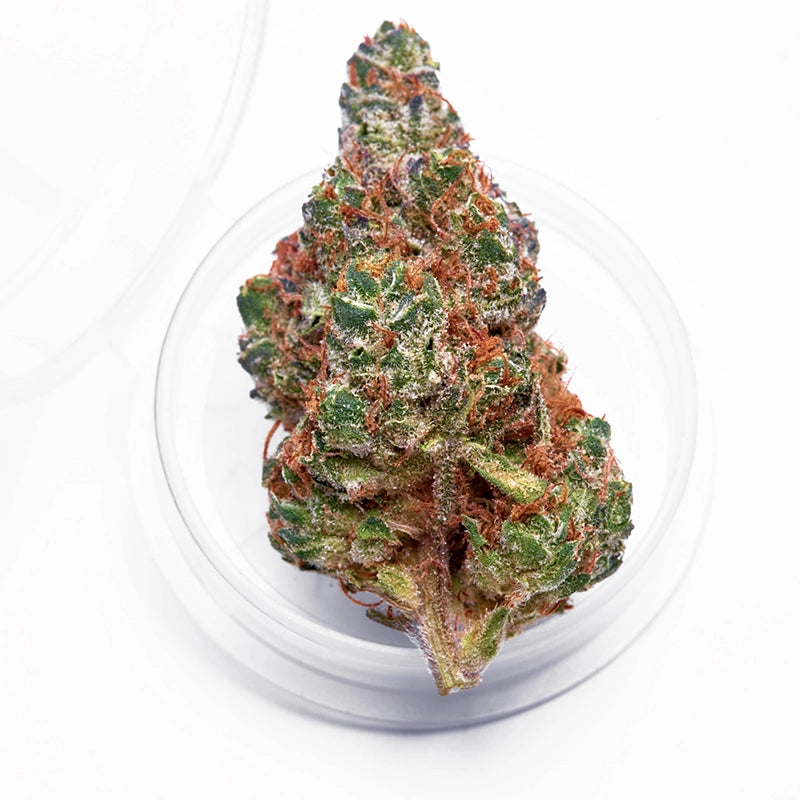
 Ausgewogen (50 % Indica / 50 % Sativa)
Zoap Strain Highlights
Parents
Taste & Smell
Effect
Terpenes

The key facts at a glance:
1. Where does the Zoap strain come from?
Discover how the two strains Rainbow Sherbet and Pink Guava gave rise to a hybrid that turned Zoap into an insider tip among the most modern cannabis strains.
Learn more
2. What's behind Zoap genetically?
Find out why Zoap is a real highlight not just visually but also genetically – and how terpenes, effect and aroma merge into a well-tuned overall package.
Learn more
3. How do you grow Zoap properly?
Learn how to get the best out of your Zoap plants with a few simple tricks – from the right start to germination through to aromatic buds with a generous yield.
Learn more
4. Effect, THC content & legal situation 2026
Sativa or indica, THC content, duration of effect – and what applies legally in Germany.
Learn more
Zoap strain – briefly explained
Zoap is a balanced hybrid (50 % indica, 50 % sativa) with around 20-28 % THC according to lab values for individual batches. Users describe a creativity-boosting, mentally focused and at the same time physically calming effect. The aroma is fruity, sweet and earthy with limonene, myrcene and caryophyllene. The flowering time indoors is usually 8-10 weeks.
Into cannabis strains that don't just look the part but also deliver with complex effects and a one-of-a-kind aroma? Then Zoap definitely belongs on your radar. This hybrid is one of the most exciting newcomers of recent years – as colorful as a fruit stand, as creamy as a dessert, and backed by genetics that were more than just briefly thought through.
What really sets Zoap apart? A blend of deep earthy tones, sweet citrus notes and a THC level made for connoisseurs. In short: Zoap is no run-of-the-mill strain, but rather the result of a creative experiment that turned out pretty well. In this article, we'll show you what's behind the hype – from the genetics to growing tips all the way to the typical effects.
Where does the Zoap strain come from?
With a strain like Zoap, you almost automatically wonder: who comes up with something like this? In fact, this striking hybrid wasn't born from a whim, but from the minds of Deo Farms in Oakland, California. And you quickly notice: there's know-how, creativity and a knack for unusual genetics behind it.
The foundation for Zoap comes from two strains that are already pretty exciting in their own right – Rainbow Sherbet and Pink Guava. Both bring not only plenty of aroma but also plenty of color into play. Through targeted crossing and lots of fine-tuning, Zoap emerged from them – a strain that looks like a candy store and at the same time has the potential to keep you glued to your couch.
Originally, Zoap was mainly distributed as a clone, i.e. a genetically identical cutting, which made the strain a real rarity for a long time. Only later did it become more widely available through feminized seeds – which didn't dampen the hype at all. On the contrary: those who have tried it often speak of one of the most interesting new breeds of recent years.
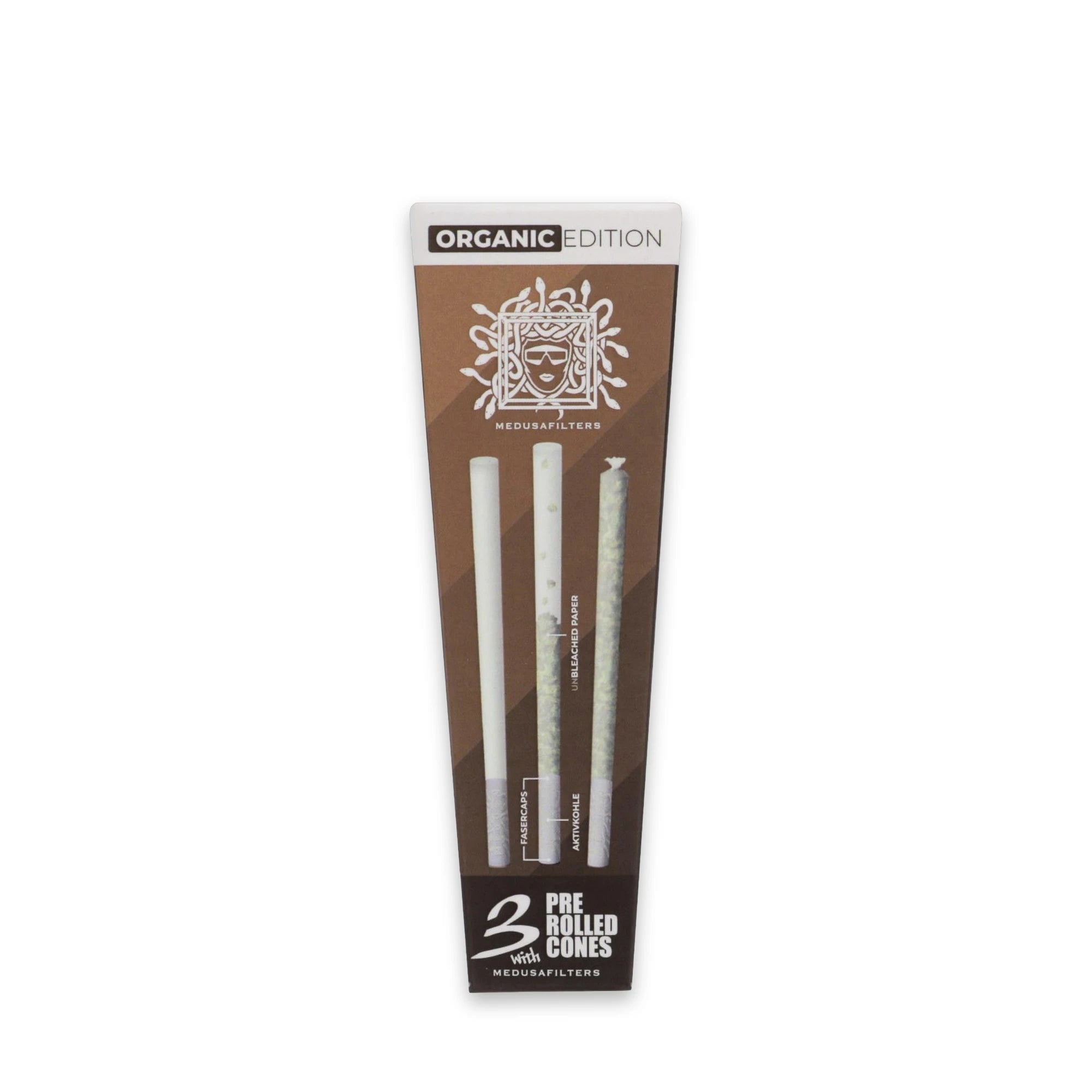
Our product recommendations for a more pleasant smoking experience

What's behind Zoap genetically?
Zoap is a cannabis strain you don't just smoke on the side – it has far too much character for that. As a balanced hybrid, it combines the head effect typical of sativa with the indica-heavy body relaxation. That makes it the ideal choice for anyone looking for creative impulses during the day without getting jittery – and who wants to switch off just as well in the evening.
When it comes to aroma, too, Zoap clearly stands out from the mainstream. The scent is intense, fruity-sweet and reminiscent of a blend of tropical fruit, fine perfume and a hint of earth. Added to this is a creamy note that rounds off the profile. When you grind the buds, these notes unfold especially clearly – a treat for connoisseur noses.
Behind the complex flavor are finely tuned terpenes, with limonene, myrcene and caryophyllene dominating here. Limonene provides a citrus-like freshness, myrcene brings a slight earthiness and caryophyllene contributes a spicy depth. Together they create a multi-layered flavor profile that comes across as sweet, earthy, fruity and surprisingly clear.
With a THC content between 22 and 24 %, Zoap definitely counts among the stronger strains – but without being overwhelming. Especially with strains that have complex aromas, it pays to choose the right setup: activated carbon filters and papers from Medusafilters help you enjoy the flavor as unadulterated as possible and pick up on the terpene profile more clearly.
How do you grow Zoap properly?
Zoap doesn't just look good – when it comes to growing, too, the strain shows its accessible side. With a little preparation, the hybrid can be cultivated successfully both indoors and outdoors. Here are six simple steps for a successful grow.
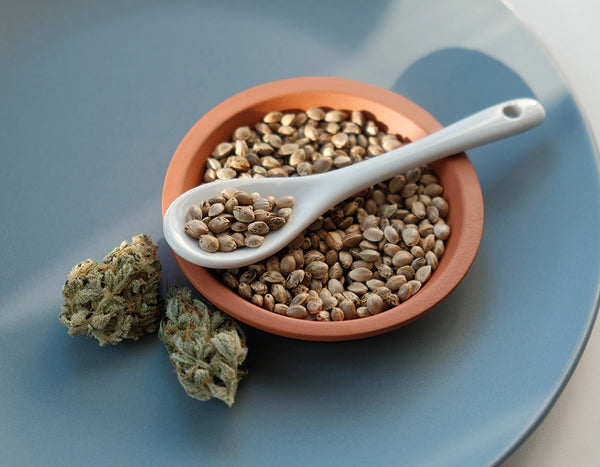
1. Choose the right seeds:
Zoap is now available from several well-known breeders – mostly as feminized seeds. These are especially practical for beginners, as no selection by sex is necessary. Make sure to use a reputable source to tap into the full potential of the cannabis strain.

2. Start germination in a controlled way:
Germination works best under stable conditions – whether you use moist kitchen paper or direct substrate. With the right temperature and humidity, the first roots usually appear after 24 to 72 hours. In the early phase, Zoap is fairly undemanding, but a strong light source reliably prevents the typical stretching of the seedlings.

3. Optimize the conditions for growth:
For indoor cultivation, a temperature range between 22 and 26 °C with humidity around 60 % is recommended. The plants grow rather compact but respond well to low-stress training (LST) or SCROG methods to better steer their growth.

4. Don't rule out outdoor growing:
Zoap can also be grown outdoors – ideally in sunny, sheltered spots with nutrient-rich soil. The plants are robust but shouldn't be exposed to overly strong temperature swings. Good preparation is everything here.

5. Keep an eye on the flowering time:
The flowering time is about 8–10 weeks. Towards the end it gets colorful and aromatic: the buds develop visible trichomes and give off an intense terpene profile. If you pay attention to the color of the trichomes, you'll catch the right time to harvest.

6. Maximize the yield:
With good care, the yield per plant indoors is about 450–500 g/m². Outdoors, with enough sun and stable conditions, even higher amounts are possible. Important: dry and cure well so that the full aroma is preserved.
Zoap is not only a highlight when consumed but also a real all-rounder when it comes to growing. Whether indoors or outdoors – anyone who follows the basics is rewarded with vigorous plants, aromatic buds and a solid result.
Is the Zoap strain legal in Germany? (As of 2026)
In Germany, cannabis has been legal for adults within clear limits since the Consumer Cannabis Act (KCanG) of 1 April 2024 – unchanged as of 2026. The most important key points:
- Possession: up to 25 g when out and about, up to 50 g at your place of residence.
- Home cultivation: up to 3 plants per adult, protected from access by minors.
- Consumption bans: not within sight of schools, children's and youth facilities, playgrounds and sports grounds.
- Passing on & sale remain prohibited.
This is a general classification and not legal advice. These limits do not apply to accessories such as filters, papers or grinders – smoking accessories are freely available.
FAQs about the Zoap strain
Still have questions that go beyond origin, effect and cultivation? Then here are five interesting points that often come up in connection with the Zoap strain – briefly explained and to the point.
Zoap is a balanced hybrid with roughly 50 % indica and 50 % sativa. The strain combines a clear, creative head effect with physical relaxation and therefore can't be clearly assigned to either side. Genetically, Zoap comes from a cross of Pink Guava and Rainbow Sherbet, which explains the fruity-sweet direction of the balanced original.
According to lab values for individual batches, Zoap's THC content is usually between around 20 and 28 %, often around 25 %. Occasionally higher peak values are reported. The exact figures vary depending on cultivation, phenotype and harvest, which is why the analysis of the respective batch is always more meaningful than blanket online figures.
Users describe Zoap as creativity-boosting, mentally focused and at the same time physically calming. The effect usually sets in after 15 to 30 minutes, peaks after 30 to 60 minutes and, at a moderate dose, often lasts two to three hours. These are subjective experiences and not medical claims; consumption is for adults only.
Indoors, according to seed bank information, Zoap's flowering time is usually about 8 to 10 weeks, i.e. around 56 to 70 days. Outdoors in a Central European climate, the strain is generally ready to harvest from late September to early October. The exact times depend on phenotype and conditions; cultivate only within the legally permitted framework.
With around 20 to 28 % THC, Zoap is one of the stronger strains and is therefore not a classic beginner's weed. Those with little experience should dose very low, wait patiently and stay in familiar surroundings. The balanced effect is indeed described as pleasant, but the high potency can quickly overwhelm the inexperienced. Consumption is strictly for adults only.
To let Zoap's fruity-sweet aroma shine, clean accessories are worth it: a grinder breaks up the material evenly, high-quality papers ensure a clean burn, and an activated carbon filter makes the draw noticeably cooler and smoother. This way the fine citrus and guava notes are less masked by harshness. You'll find suitable grinders, papers and activated carbon filters in the Medusafilters range.
Maybe also interesting for you?



Our Medusafilters verdict
Zoap is definitely not a strain for the side. The colorful genetics, the fruity-earthy aromas and the strong THC content make it a hybrid that stands out from the crowd – and, especially with experienced consumers, quickly leaves a lasting impression.
Its versatility is especially exciting: Zoap works for relaxed evenings on the couch as well as for creative phases when your mind could use a bit of input. Anyone who likes strains that deliver both visually and aromatically should get their money's worth here.
For growing, too, Zoap offers a good balance – with solid yield, stable structure and a flowering time that doesn't demand endless patience. To get the best out of the strain, it's best to rely on high-quality accessories. The activated carbon filters and papers from Medusafilters ensure that aroma and effect come across exactly as they should.
Sources:
Is Zoap sativa or indica?
Zoap is a balanced hybrid with a ratio of about 50 % indica and 50 % sativa - so neither clearly sativa- nor indica-leaning.
As a balanced 50/50 hybrid, the Zoap strain combines the typical characteristics of both sides: according to user reports, the sativa-influenced component provides a clear head and a creative, alert start, while the indica share is responsible for the physically calming note. Genetically, Zoap traces back to a cross of Pink Guava and Rainbow Sherbet, which explains the fruity-sweet direction. In most databases and seed bank listings, the strain is consistently classified as a balanced hybrid. For you as a consumer, this means: Zoap tips neither fully into couch-locking nor into pure head activation, but stays in the middle. It's precisely this balance that makes the strain a flexible all-rounder for different times of day. Anyone looking for a distinctly more indica-heavy or sativa-focused experience tends to reach for variants like Black Zoap or Sour Zoap, which describe individual phenotypes with a slightly shifted character. The classic Zoap, however, remains the balanced original.
How high is Zoap's THC content?
According to lab values for individual batches, Zoap's THC content is usually between around 20 and 28 %, often around 25 %. Occasionally higher peak values are reported.
This makes Zoap one of the potent but not extreme strains by today's standards. The exact figures vary depending on cultivation, phenotype and harvest time - which is why you should never rely on a single exact number, but always pay attention to the lab analysis of the respective batch. Some databases cite average values around 25 %, others give ranges of 20 to 27 %, and individual batches are said by suppliers to even approach 30 %. For you this means: Zoap is no beginner's lightweight. The high share of limonene and caryophyllene in the terpene profile additionally influences how the effect is subjectively perceived - the so-called interplay of cannabinoids and terpenes. If you want to dose the active content more gently, you can use smaller amounts and an activated carbon filter for a cooler, smoother draw. You'll most likely find reliable information on THC content on the certificate of analysis from reputable suppliers, not in blanket online figures.
How does Zoap affect you and how long does the effect last?
Users describe Zoap as creativity-boosting and mentally focused with a physically calming note. The effect usually sets in after 15 to 30 minutes and, depending on the dose, often lasts two to three hours.
According to user reports, the typical course begins with a clear, slightly euphoric head effect that dissolves mental blocks and invites conversation or creative activities - fitting the search query around the Zoap effect. After about 30 to 60 minutes, the effect reaches its peak and transitions into a gentle physical relaxation, without becoming completely tired or sedating. It's exactly this combination of alert focus and calm body feeling that makes the strain an all-rounder. The duration of the effect depends heavily on amount, form of consumption and individual tolerance: at a moderate dose, many report around two to three hours of noticeable effect. Important: these are subjective user experiences, not medical claims - Zoap is not a remedy and does not replace medical advice. Consumption is intended for adults only. Anyone who wants to experience the effect more evenly and gently pays attention to small amounts and a cool draw, for example via an activated carbon filter.
How long is Zoap's flowering time?
Indoors, according to seed bank information, Zoap's flowering time is usually about 8 to 10 weeks. Outdoors, the strain is generally ready to harvest from late September to early October.
Zoap is considered a comparatively rewarding strain that can deliver good results even for moderately experienced growers - cultivation only within the legally permitted framework, of course. The exact flowering duration depends on the phenotype, the growing system and the environmental conditions, which is why you should understand the respective seed bank's figures as guidance, not as a firm guarantee. Indoors, most figures hover around 56 to 70 days of flowering. Outdoor growers in a Central European climate typically harvest around late September to early October, provided the weather cooperates. The plant often shows dense, resinous flowers and can offer striking color nuances, which makes it visually interesting. For stable results, growers pay attention to even temperatures, sufficient light and good air circulation to counter moisture in the final phase. During later processing, clean drying and curing ensure that the fruity-sweet aroma and the terpenes such as limonene and myrcene are preserved as well as possible.
What does Zoap taste and smell like?
Zoap tastes and smells distinctly fruity, sweet and earthy - with tropical guava and citrus notes as well as a characteristic, slightly soapy-floral finish that gave the strain its name.
Responsible for this profile are above all the terpenes limonene, myrcene and caryophyllene. Limonene brings the fresh citrus and guava notes, myrcene contributes the earthy-sweet base, and caryophyllene adds a slightly spicy-peppery edge. Many users describe the first impression as candy-like sweet with a creamy sherbet character, followed by the typical soapy note in the finish. Several variants have established themselves around Zoap that shift the flavor slightly: Cherry Zoap emphasizes sweet-fruity cherry notes, Black Zoap is often described with darker, berry-earthy aromas and an intense look, and Sour Zoap brings a tart-citrusy edge into play. What they all share is the sweet-fruity basic direction of the original. To let the full aroma shine, clean processing helps: a fine grinder ensures even material, and an activated carbon filter makes the draw cooler and smoother, so that the fine fruit notes are less masked by harshness.